Retirement planning for Canadians with company pensions often feels like a steady march toward a well-earned reward. Yet, a subtle force can erode the value of that reward without warning. Rising bond yields, a topic that rarely makes headlines outside financial circles, can quietly diminish the commuted value of your defined benefit pension.
For those approaching retirement, understanding this relationship is not just prudent, it is essential for making informed decisions about your financial future. The commuted value, which represents the lump sum you could take instead of a monthly pension, is directly tied to the interest rates used in its calculation.
As bond yields climb, the present value of your future pension payments shrinks, sometimes dramatically. This article unpacks how this process works, why it matters, and what you can do to protect your retirement nest egg.
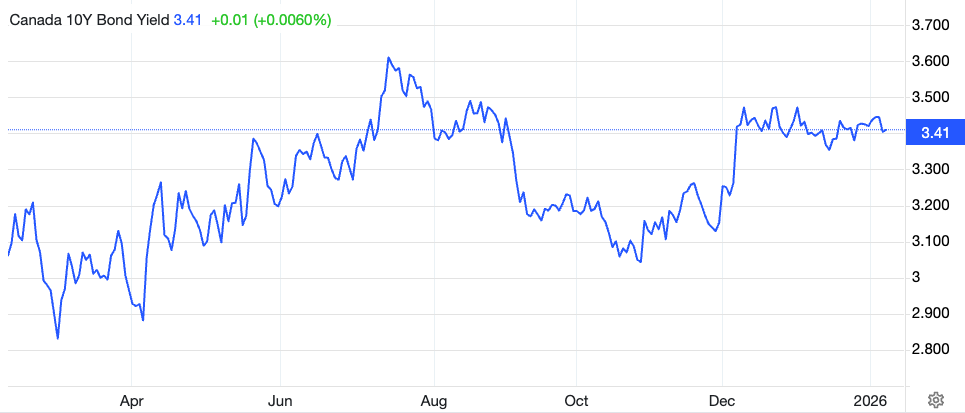
Understanding Commuted Value and Its Calculation
The commuted value of a defined benefit pension is the lump sum amount offered to employees who choose to transfer their pension out of the plan, often when leaving an employer or at retirement. This figure is not arbitrary. It is calculated using a set of actuarial assumptions, with the most influential being the discount rate. In Canada, this discount rate is closely linked to the yields on long-term Government of Canada bonds. The higher the yield, the lower the present value of future pension payments, and thus, the lower your commuted value.
Actuaries use these yields to estimate how much money, invested today, would be required to provide the promised pension payments over your expected lifetime. When yields are low, more money is needed upfront to generate the same stream of payments, resulting in a higher commuted value. When yields rise, less money is needed, so the commuted value drops. This relationship is mathematical and unyielding, leaving little room for negotiation or adjustment once the rates are set for a given period.
For Canadians nearing retirement, this means that the timing of your decision to take a commuted value can have a profound impact on your financial outcome. A difference of even one percentage point in the discount rate can translate into tens of thousands of dollars more or less in your pocket. The calculation also factors in your age, years of service, and the specifics of your pension plan, but the prevailing bond yields remain the dominant force.
It is important to recognize that the commuted value is not a guaranteed windfall. It is a calculated estimate based on current economic conditions and actuarial projections. If you choose to take the lump sum, you assume the responsibility for investing and managing those funds to provide income throughout your retirement. This shift in risk from the pension plan to the individual is a critical consideration, especially in a volatile interest rate environment.
The Impact of Rising Bond Yields on Your Retirement Options
Bond yields have a direct and immediate effect on the commuted value of your pension. When yields rise, the present value of your future pension payments falls, reducing the lump sum you would receive if you opt to transfer your pension out of the plan. This dynamic can catch many retirees off guard, especially those who have been tracking their commuted value during periods of low interest rates and are surprised by a sudden drop when rates move upward.
For those planning to retire soon, the timing of your decision becomes a strategic consideration. If you are contemplating taking the commuted value, monitoring bond yields and understanding how they are trending can help you make a more informed choice. In some cases, waiting even a few months can result in a lower payout if yields rise during that time. Conversely, acting quickly when yields are low can lock in a higher commuted value, but this approach carries its own risks, including the potential for market volatility and changes in personal circumstances.
Rising bond yields can also influence the broader retirement landscape. Pension plans themselves may become better funded as yields rise, since the cost of providing future benefits decreases. This can lead to changes in plan design, funding requirements, and even the willingness of employers to offer commuted value options. For individuals, the key takeaway is that the environment in which you make your retirement decisions is constantly shifting, and what was true a year ago may no longer apply today.
It is not just the absolute level of bond yields that matters, but the direction and speed of change. Rapid increases can lead to sharp declines in commuted values, leaving little time for retirees to adjust their plans. This underscores the importance of staying informed and seeking professional advice when considering your options. The interplay between bond yields and pension values is complex, but understanding the basics can help you avoid costly surprises.
Why Many Canadians Miss the Warning Signs
Despite the critical role that bond yields play in determining commuted values, many Canadians remain unaware of this connection. Pension statements often focus on projected monthly payments, with little explanation of how the lump sum is calculated or what factors can cause it to fluctuate. This lack of transparency can lead to unrealistic expectations and disappointment when the actual payout falls short of what was anticipated.
Financial literacy around pensions is generally low, even among those who are otherwise savvy investors. The technical language used in pension documents, combined with the complexity of actuarial calculations, creates a barrier to understanding. Many employees assume that their pension is a fixed benefit, not realizing that the commuted value is subject to market forces beyond their control. This misconception can lead to poor decision-making, such as delaying retirement in the hope of a higher payout, only to see the commuted value decline as bond yields rise.
Employers and pension administrators have a responsibility to provide clear, accessible information about how commuted values are determined and what factors can influence them. Yet, the reality is that many retirees are left to piece together this information on their own, often after the fact. This gap in knowledge can have real financial consequences, especially for those who are counting on their pension to fund a comfortable retirement.
For those who do become aware of the impact of bond yields, the challenge becomes one of timing and prediction. Interest rates are notoriously difficult to forecast, and even professional economists often disagree on where they are headed. This uncertainty adds another layer of complexity to an already challenging decision, making it all the more important to seek out expert guidance and stay informed about market trends.
Strategies to Protect Your Retirement Income
Given the unpredictable nature of bond yields, Canadians approaching retirement need to adopt a proactive approach to pension planning. One of the most effective strategies is to regularly review your pension statements and request updated commuted value estimates, especially if you are within a few years of retirement. This will help you track changes over time and identify trends that could impact your decision.
Working with a qualified financial advisor who understands the intricacies of defined benefit pensions can provide valuable insight and guidance. An advisor can help you assess the trade-offs between taking the commuted value and opting for the traditional monthly pension, factoring in your personal risk tolerance, investment knowledge, and retirement goals. They can also help you model different scenarios based on potential changes in bond yields, giving you a clearer picture of the risks and rewards associated with each option.
Another important consideration is the broader context of your retirement income. The commuted value is just one piece of the puzzle. Other sources of income, such as government benefits, personal savings, and spousal pensions, should be factored into your overall plan. Diversifying your income streams can help mitigate the impact of fluctuations in any one component, including your pension.
For those who are particularly concerned about rising bond yields, it may make sense to act sooner rather than later, locking in a higher commuted value before rates climb further. This approach carries its own risks, including the need to manage a large lump sum and the potential for market volatility. Careful planning and professional advice are essential to ensure that you are making the best decision for your unique circumstances.
Finally, staying informed about economic trends and policy changes can help you anticipate shifts in the market that could affect your pension. While no one can predict the future with certainty, a well-informed retiree is better equipped to adapt to changing conditions and protect their financial security.
Tax Implications and Transfer Options
Taking the commuted value of your pension introduces a new set of tax considerations that can have a substantial impact on your retirement finances. In Canada, only a portion of the commuted value can be transferred to a tax-sheltered vehicle such as a Locked-In Retirement Account (LIRA) or a Registered Retirement Savings Plan (RRSP). The remainder, often referred to as the “excess,” is paid out in cash and taxed as income in the year it is received.
This tax hit can be significant, especially for those with large pensions or long service histories. The excess amount is added to your taxable income for the year, potentially pushing you into a higher tax bracket and reducing the net amount you receive. Careful planning is required to minimize the tax impact, and strategies such as spreading the payout over multiple years or coordinating with other sources of income can help reduce your overall tax burden.
It is also important to understand the rules governing locked-in accounts. Funds transferred to a LIRA or similar vehicle are subject to restrictions on withdrawals, designed to ensure that the money is used for retirement income. These rules vary by province and can affect your flexibility in managing your retirement funds. Consulting with a financial advisor who is familiar with the relevant regulations can help you navigate these complexities and make the most of your commuted value.
For some retirees, the tax implications of taking the commuted value may outweigh the potential benefits, making the traditional monthly pension a more attractive option. Each situation is unique, and the best choice will depend on your individual circumstances, including your age, health, financial goals, and risk tolerance.
Psychological and Emotional Factors in Pension Decisions
The decision to take a commuted value or stick with a monthly pension is not purely financial. Psychological and emotional factors play a significant role, often influencing retirees in ways that are not immediately obvious. The prospect of receiving a large lump sum can be both exciting and intimidating, triggering a range of emotions from optimism to anxiety.
For some, the appeal of control and flexibility outweighs the security of a guaranteed monthly payment. The ability to invest the funds as you see fit, leave a legacy for your heirs, or respond to unexpected expenses can be empowering. For others, the responsibility of managing a large sum of money, coupled with the risk of outliving your savings, can create stress and uncertainty.
It is important to recognize these emotional drivers and address them openly when making your decision. Working with a trusted advisor can provide a valuable sounding board, helping you separate emotion from logic and make a choice that aligns with your values and long-term goals. Open communication with your spouse or family members can also help ensure that everyone is on the same page and prepared for the changes that retirement will bring.
Ultimately, the best decision is one that balances financial security with personal peace of mind. By acknowledging the psychological and emotional dimensions of the choice, you can approach your retirement planning with greater confidence and clarity.
Case Studies and Real-World Examples
To illustrate the impact of rising bond yields on commuted values, consider the experience of a Canadian executive who planned to retire in 2021. At the time, long-term bond yields were near historic lows, resulting in a commuted value estimate of $1.2 million. The executive decided to wait another year, hoping for a higher payout as the stock market continued to perform well. By 2022, bond yields had risen sharply, and the new commuted value estimate dropped to $950,000—a reduction of $250,000 in just twelve months.
Another example involves a mid-level manager who left her employer after 25 years of service. She received a commuted value estimate based on the prevailing bond yields at the time, but delayed her decision to transfer the funds while she considered her options. During this period, yields increased, and her final payout was $40,000 less than the initial estimate. These real-world cases highlight the importance of timing and the potential consequences of waiting too long to act.
On the other hand, some retirees have benefited from locking in their commuted value during periods of low yields, securing a larger lump sum than would have been possible in a higher-rate environment. These individuals were able to invest their funds in a diversified portfolio, generating income that met or exceeded their original pension projections. The key factor in their success was a clear understanding of the relationship between bond yields and commuted values, combined with timely action and professional advice.
These stories underscore the need for vigilance and proactive planning. The impact of rising bond yields is not theoretical—it is a real and present risk that can have lasting consequences for your retirement security. By learning from the experiences of others, you can avoid common pitfalls and make choices that support your long-term financial well-being.
How to Monitor Bond Yields and Pension Trends
Staying informed about bond yields and pension trends is easier than ever, thanks to the wealth of information available online. The Bank of Canada publishes daily updates on government bond yields, providing a reliable source of data for tracking changes over time. Financial news outlets and investment websites also offer analysis and commentary on interest rate trends, helping you stay ahead of the curve.
Many pension plans provide annual statements that include information on the discount rates used to calculate commuted values. Reviewing these statements carefully can help you identify changes in the underlying assumptions and assess the potential impact on your payout. If you are unsure how to interpret the information, do not hesitate to reach out to your plan administrator or a financial advisor for clarification.
Setting up alerts or subscribing to newsletters from reputable financial sources can help you stay informed about market developments that could affect your pension. Regular check-ins with your advisor can ensure that your retirement plan remains aligned with current conditions and your evolving goals.
By making a habit of monitoring bond yields and pension trends, you can position yourself to make timely, informed decisions about your retirement. Knowledge is power, and staying engaged with the financial landscape can help you protect your hard-earned savings from the silent threat of rising interest rates.
Key Questions to Ask Before Making a Decision
Before deciding whether to take the commuted value or stick with a monthly pension, it is important to ask yourself a series of critical questions. These questions can help clarify your priorities and ensure that you are making a choice that aligns with your long-term goals.
First, consider your risk tolerance. Are you comfortable managing a large sum of money and making investment decisions, or do you prefer the security of a guaranteed monthly income? Next, assess your health and life expectancy. If you have reason to believe you will live longer than average, the monthly pension may provide greater value over time. Conversely, if you have health concerns or a shorter life expectancy, the commuted value may offer more flexibility and control.
Evaluate your other sources of retirement income, including government benefits, personal savings, and spousal pensions. A diversified income stream can provide greater security and reduce your reliance on any one source. Consider the tax implications of each option, and consult with a financial advisor to develop a strategy that minimizes your tax burden and maximizes your after-tax income.
Finally, think about your legacy goals. Do you want to leave an inheritance for your children or support charitable causes? The commuted value may offer more flexibility in this regard, but it also requires careful planning to ensure that your funds last throughout your retirement.
Common Pitfalls and How to Avoid Them
One of the most common mistakes retirees make is failing to account for the impact of rising bond yields on their commuted value. This oversight can lead to disappointment and financial shortfalls, especially for those who have been tracking their pension during periods of low interest rates. To avoid this pitfall, stay informed about market trends and request updated commuted value estimates regularly.
Another frequent error is underestimating the complexity of managing a large lump sum. Investing for retirement requires a disciplined approach and a clear understanding of risk and return. Working with a qualified advisor can help you develop a strategy that aligns with your goals and risk tolerance, reducing the likelihood of costly mistakes.
Some retirees are tempted to delay their decision in the hope of a higher payout, only to see their commuted value decline as bond yields rise. While it is natural to want to maximize your benefits, waiting too long can backfire. Set clear decision points and be prepared to act when conditions are favorable.
Finally, do not overlook the importance of tax planning. The tax implications of taking the commuted value can be substantial, and failing to plan ahead can erode your retirement savings. Consult with a tax professional to develop a strategy that minimizes your tax burden and preserves your wealth.
Expert Advice for Canadians Approaching Retirement
For Canadians nearing retirement, the best defense against the silent pension killer is a proactive, informed approach to planning. Start by educating yourself about the factors that influence your commuted value, with a particular focus on bond yields and interest rates. Request regular updates from your pension plan and seek out professional advice to help you interpret the data and make informed decisions.
Develop a comprehensive retirement plan that takes into account all of your income sources, expenses, and goals. Consider the trade-offs between taking the commuted value and opting for a monthly pension, and weigh the risks and rewards of each option. Be realistic about your ability to manage a large lump sum and the potential impact of market volatility on your retirement income.
Stay engaged with the financial markets and be prepared to adjust your plan as conditions change. The retirement landscape is constantly evolving, and what worked for previous generations may not be the best approach for you. By staying informed and seeking out expert guidance, you can protect your retirement savings and enjoy the financial security you have worked so hard to achieve.
Looking Ahead in a Changing Economic Environment
The relationship between bond yields and commuted values is a critical, yet often overlooked, aspect of retirement planning for Canadians with defined benefit pensions. As interest rates continue to fluctuate in response to global economic forces, the impact on your retirement savings can be profound. By understanding how these factors interact and taking a proactive approach to planning, you can protect your financial future and make the most of your hard-earned pension.
Whether you are just beginning to think about retirement or are already counting down the days, staying informed and seeking out expert advice is the best way to ensure that you are prepared for whatever the future may hold. The silent pension killer may be lurking in the background, but with knowledge and preparation, you can keep it at bay and enjoy the retirement you deserve.
Frequently Asked Questions
How do rising bond yields affect my commuted value?
Rising bond yields increase the discount rate used to calculate the present value of your future pension payments. This results in a lower commuted value, meaning the lump sum you receive if you transfer your pension out of the plan will be smaller when yields are higher.
Can I predict when bond yields will rise or fall?
Interest rates and bond yields are influenced by a wide range of economic factors, including inflation, central bank policy, and global market conditions. While you can monitor trends and forecasts, predicting exact movements is challenging even for experts. Staying informed and seeking professional advice can help you make timely decisions.
What portion of my commuted value can be transferred tax-free?
In Canada, only a portion of your commuted value can be transferred to a tax-sheltered account such as a LIRA or RRSP. The exact amount depends on your age, years of service, and the specifics of your pension plan. Any excess amount is paid out in cash and taxed as income in the year received.
Should I take the commuted value or stick with the monthly pension?
The best choice depends on your individual circumstances, including your risk tolerance, health, financial goals, and other sources of retirement income. Consulting with a qualified financial advisor can help you assess the trade-offs and make a decision that aligns with your long-term objectives.
How often should I request an updated commuted value estimate?
If you are within a few years of retirement or considering leaving your employer, it is wise to request an updated commuted value estimate at least annually, or whenever there are significant changes in interest rates. This will help you track trends and make informed decisions about your retirement options.